
learotton35439
About learotton35439
The World of Private Flying: An Educational Perception
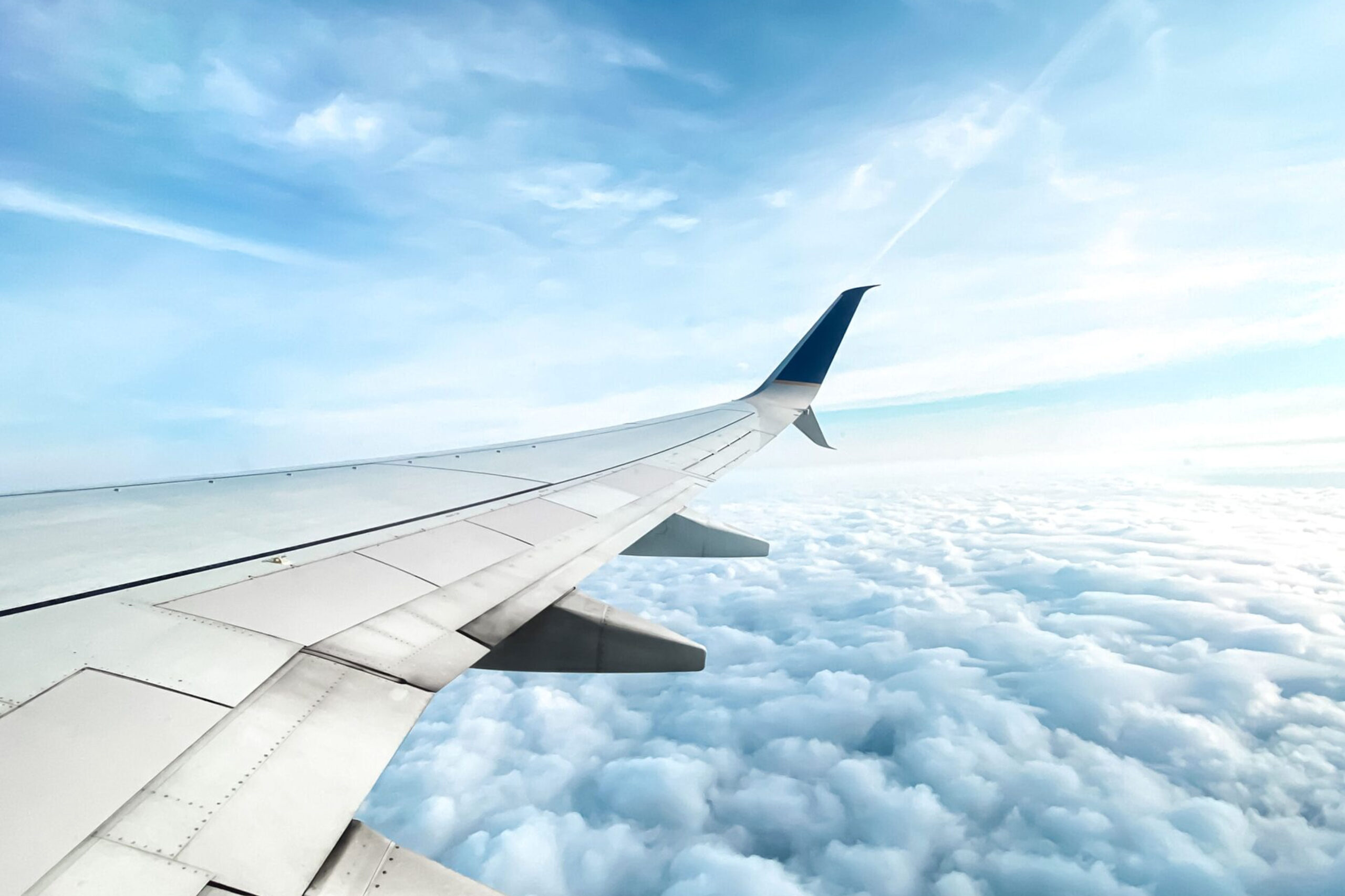
Private flying, often referred to as general aviation, encompasses all non-commercial flights, together with private, enterprise, and recreational flying. This sector has grown considerably over the past few a long time, providing people and companies a unique mode of transportation that is both flexible and efficient. In this article, we are going to discover the various aspects of private flying, together with its advantages, sorts of aircraft, regulatory considerations, and the way forward for this dynamic business.
Understanding Private Flying
Private flying consists of a wide range of actions, from flying small single-engine planes for leisure to operating advanced business jets for company travel. Not like commercial aviation, which is heavily regulated and structured, private flying gives a level of freedom and suppleness that appeals to many individuals and companies. Whether or not it’s a weekend getaway or a crucial enterprise meeting, private flying allows for direct entry to thousands of airports that commercial airways do not serve.
Advantages of Private Flying
- Time Effectivity: One of many most significant advantages of private flying is the time saved. Private aircraft can often reach locations a lot quicker than commercial flights, especially when considering the time spent on test-in, safety, and boarding. Moreover, private planes can access smaller airports nearer to the final vacation spot, further decreasing travel time.
- Flexibility: With private flying, travelers can customise their schedules. Flights might be arranged at the last minute, and itineraries may be adjusted on the fly. This flexibility is particularly useful for enterprise executives who must adapt to changing circumstances.
- Privateness and Comfort: Private aircraft provide an setting that’s conducive to work or relaxation. With fewer passengers, travelers can enjoy a quieter cabin, more spacious seating, and personalised service. This stage of consolation is often unmatched in commercial aviation.
- Entry to Distant Places: Many private aircraft can land at smaller airports, permitting entry to remote locations that will not be served by industrial airlines. This is especially priceless for companies operating in industries corresponding to mining, agriculture, or tourism.
- Networking Opportunities: Private flying can facilitate networking, because it typically brings together people from various industries in a more intimate setting. This will result in worthwhile enterprise relationships and collaborations.
Kinds of Private Aircraft
Private flying encompasses a variety of aircraft varieties, each suited for different needs and budgets:
- Light Aircraft: These include single-engine planes like the Cessna 172 or Piper Cherokee, that are common for private flying and flight training. They’re comparatively reasonably priced and simple to operate.
- Midsize Jets: These jets, such because the Hawker 800 or Quotation XLS, are ideal for short to medium-haul flights. They offer more pace and comfort than gentle aircraft and may accommodate more passengers.
- Massive Jets: Business jets like the Gulfstream G650 or Bombardier Global 7500 are designed for long-distance travel and can carry a larger variety of passengers. They often come equipped with luxurious amenities, including private sleeping quarters and conference rooms.
- Helicopters: For brief trips or accessing laborious-to-attain areas, helicopters provide a versatile option. They are commonly used in city environments or for emergency medical companies.
- Seaplanes and Amphibious Aircraft: These aircraft can take off and land on water, making them perfect for reaching distant islands or coastal areas.
Regulatory Concerns
Private flying is subject to numerous laws, which may fluctuate by country. Within the United States, the Federal Aviation Administration (FAA) governs normal aviation. Pilots must get hold of the appropriate licenses, akin to a Private Pilot License (PPL) or an Instrument Ranking (IR), relying on the kind of flying they wish to do.
Aircraft house owners should also adhere to maintenance and operational laws, making certain their aircraft are airworthy and compliant with safety requirements. Additionally, private flying can involve particular tax issues, together with the potential for tax deductions on working expenses.
The Pilot’s Perspective
Becoming a private pilot requires a dedication to training and education. Aspiring pilots must complete ground college, the place they learn about aviation ideas, navigation, meteorology, and laws. Following this, they should log a specified number of flight hours with a certified instructor before taking the sensible examination.
The experience of flying is commonly described as exhilarating. Pilots appreciate the sense of freedom and management that comes with having the ability to navigate the skies. Nonetheless, it additionally requires a strong sense of duty, as security is paramount in aviation.
The future of Private Flying
The way forward for private flying appears promising, pushed by advancements in technology and changing shopper preferences. The introduction of electric and hybrid aircraft is set to revolutionize the industry, making flying extra sustainable and price-effective. If you cherished this write-up and you would like to receive extra details concerning Privatejetcardreview.Com kindly visit the site. Improvements in air traffic administration and autonomous flying know-how could additionally enhance security and efficiency.
Moreover, the COVID-19 pandemic has reshaped travel habits, resulting in an increase in demand for private flying. Many individuals and businesses have turned to private aviation as a safer various to commercial flights, resulting in a surge in charter services and aircraft ownership.
Conclusion
Private flying gives a singular mix of comfort, flexibility, and comfort that appeals to a diverse vary of travelers. Whether or not for business or leisure, the flexibility to take to the skies on one’s own terms is a compelling proposition. Because the industry continues to evolve, embracing new applied sciences and addressing regulatory challenges, private flying will likely remain an integral a part of the aviation landscape. For those considering coming into this world, the alternatives are vast, and the sky is really the restrict.
No listing found.